
Pressure Washing vs Soft Washing: What’s Best for House Siding in Frederick, MD?
Updated: Sep 18
That green film on the north side of a house is not just “dirt.” In Frederick County, siding often collects algae, mildew, pollen, dust, cobwebs, and road grime through humid summers, wet springs, leaf-heavy falls, and freeze-thaw winters. The right cleaning method can make siding look fresh again. The wrong one can force water behind panels, scar softer materials, or strip paint.
For most homeowners, the big question is simple: when comparing pressure washing vs soft washing, which is better for house siding?
The short answer is that soft washing is usually safer for siding, while pressure washing has a place on tougher surfaces when used correctly. The best choice depends on the siding material, the buildup, the condition of the surface, and how close the operator gets with the wand.

Why siding in Frederick County gets dirty so quickly
Frederick has the kind of weather that encourages exterior buildup. Spring brings pollen and seed debris. Summer adds humidity, thunderstorms, and shade-loving algae. Fall leaves can trap moisture against siding, trim, and gutters. Winter can leave behind dirt, salt residue, and staining from freeze-thaw cycles.
Homes near trees, fields, wooded lots, creeks, or shaded backyards often see buildup sooner. North-facing walls tend to stay damp longer because they get less direct sun. That extra moisture gives algae, mold, and mildew more time to spread.
Common siding contaminants include:
Algae
Often appears as green streaks or patches, especially on shaded vinyl and painted surfaces.
Mildew and mold
Usually show up in damp areas around trim, under gutters, near porch ceilings, and behind landscaping.
Pollen
A yellow film is common in spring and can stick to siding when rain and humidity follow.
Dirt and dust
Wind, traffic, lawn mowing, and construction can all leave residue on exterior surfaces.
Cobwebs and insect debris
Corners, soffits, porch lights, and window frames collect them quickly.
Because this buildup is often organic, blasting it with high pressure is not always the best answer. A cleaning solution needs time to loosen and kill the growth at the root.
How pressure washing works
Pressure washing uses a machine to push water through a wand at high force. The cleaning power comes mostly from the pressure of the water. It can be very effective on hard, durable surfaces, especially when paired with the right nozzle and technique.
Pressure washing is commonly used for:
Concrete driveways
Brick walkways
Paver patios
Some stone surfaces
Certain unpainted masonry areas
Durable outdoor surfaces with heavy dirt
For siding, pressure washing must be handled carefully. High pressure can force water behind vinyl panels, damage caulk lines, dent softer materials, scar wood, and remove loose paint. The risk increases when someone uses a narrow nozzle, stands too close, or sprays upward into seams.
That does not mean pressure washing has no place in residential power washing. It means the pressure needs to match the surface. On house siding, controlled water flow and cleaning chemistry often matter more than raw force.
How soft washing works
Soft washing uses low-pressure water combined with professional cleaning solutions. The solution breaks down algae, mildew, mold, pollen, and dirt. After the solution has time to work, the surface is rinsed gently.
Soft washing is often the preferred method for:
Vinyl siding
Painted siding
Stucco
Older exterior surfaces
Trim, soffits, and fascia
Areas with algae, mildew, or organic staining
A soft wash does not rely on force to “tear” grime away. Instead, it treats the buildup and rinses it off without stressing the siding. This makes it a strong choice for exterior house cleaning in Frederick MD, especially on homes with shaded walls or recurring algae.
For homeowners looking for professional exterior cleaning, Golden Touch Cleaning Solutions provides professional power washing and exterior cleaning services in Frederick, MD for a variety of exterior surfaces. Too weak, and the stains come back quickly. Too strong, and plants, finishes, or nearby materials may be affected if not protected properly.

Pressure washing and soft washing compared
When comparing pressure washing vs. soft washing for house siding, the biggest difference is the amount of pressure used and the type of surface being cleaned. Soft washing is generally better suited for delicate exterior surfaces such as vinyl siding, painted siding, and some stucco, while pressure washing is typically better for durable surfaces such as concrete, driveways, sidewalks, and certain masonry. The right method depends on the material, condition, and type of buildup being removed.
Both methods can be useful, but they solve different problems. The safest approach starts with the siding material and the type of buildup.
Cleaning method | How it cleans | Best for | Use caution with |
Pressure washing | Uses high-force water to remove dirt and surface grime | Concrete, brick, pavers, some durable masonry | Vinyl siding, painted surfaces, stucco, older materials, gaps or loose trim |
Soft washing | Uses cleaning solution and low-pressure rinsing | Vinyl siding, painted siding, stucco, algae, mildew, pollen, general house washing | Delicate landscaping, untreated metals, surfaces needing special chemical care |
For house washing Frederick MD homeowners often need a mix of judgment and restraint. A driveway may benefit from pressure. The siding right beside it may need a soft wash.
Which method is safer for each siding type
Vinyl siding usually does best with soft washing
Vinyl siding is common throughout Frederick neighborhoods because it is durable, affordable, and relatively easy to maintain. Still, it is not designed to handle direct high-pressure blasting.
High pressure can:
Push water behind the panels
Loosen siding pieces
Leave wand marks
Damage seams and trim
Force water around windows and doors
Soft washing is usually the safer choice for vinyl because it removes algae and mildew without driving water into places it should not go. This is especially helpful on shaded sides of the home or areas below gutters where streaking appears.
Brick can handle more pressure, but mortar matters
Brick is tougher than vinyl, but it is not damage-proof. Older mortar joints, cracked brick, and repaired areas can be harmed by aggressive pressure. A professional may use more pressure on brick than on siding, but the nozzle, distance, and surface condition still matter.
For mildew or algae on brick, a cleaning solution may be needed first. Water pressure alone can remove the visible stain while leaving organic growth behind in pores and joints.
Stucco needs a gentle approach
Stucco is textured and porous. It can hold moisture and collect algae in small surface pockets. High pressure can etch the finish, open cracks, or force water into the wall system.
Soft washing is typically the better choice for stucco. The solution reaches into the textured surface, then a low-pressure rinse clears away the loosened buildup. This approach helps clean without chewing up the finish.
Painted surfaces should be treated carefully
Painted siding, trim, shutters, and porch details need extra care. If the paint is already peeling, high pressure can make it worse. Even sound paint can be damaged by the wrong nozzle or close spraying.
Soft washing is usually safer for painted surfaces. A professional will also watch for oxidation, which is a chalky film that can appear on older siding and painted materials. Oxidation does not clean the same way as dirt, and aggressive washing can create uneven marks.

When to use pressure washing around the home
Pressure washing can be the right tool for hard surfaces that can tolerate more force. Around a typical home, it may be appropriate for:
Concrete driveways with dirt, tire marks, and surface grime
Sidewalks and walkways
Some patios
Retaining walls made of durable masonry
Certain brick or stone surfaces after inspection
Even then, technique matters. Concrete can be etched by a too-narrow nozzle. Pavers can lose joint sand. Brick mortar can be damaged if it is old or weak.
That is why pressure washing in Frederick County MD should not be treated as one setting for every surface. A safe cleaning plan changes from the driveway to the siding to the porch steps.
When to choose soft washing for siding cleaning
Soft washing is usually the better fit when the main problem is organic buildup. If the siding has green algae, mildew spotting, pollen film, or dirt mixed with moisture staining, a soft wash can treat the source of the problem more effectively than pressure alone.
Soft washing is also the better option when:
The siding is vinyl, painted, stucco, or older wood
The home has shade from trees
Buildup returns quickly after simple rinsing
The surface has seams, gaps, or decorative trim
Windows, shutters, and soffits need gentle cleaning
For siding cleaning Frederick MD homeowners should think about both appearance and protection. Clean siding improves curb appeal, but gentle cleaning also helps avoid preventable wear from harsh washing.
Common mistakes homeowners should avoid
A rental pressure washer can look simple, but siding damage often comes from small errors.
Spraying upward under siding laps
Vinyl siding is designed to shed rain downward. Spraying upward can push water behind panels. Once moisture gets trapped, it can affect insulation, sheathing, or interior wall areas.
Using too much pressure near windows and doors
Window seals, door trim, weatherstripping, and caulk lines are vulnerable. High pressure can force water where normal rain would not reach.
Cleaning with water only when growth is organic
Algae and mildew can cling to siding. Water alone may remove the surface color but leave enough behind for quick regrowth. A proper soft wash treats the buildup before rinsing.
Ignoring landscaping and outdoor fixtures
Cleaning solutions should be managed carefully around plants, lighting, outlets, painted railings, and metal accents. Professionals pre-wet, cover, rinse, and monitor sensitive areas as needed.
Holding the wand too close
Distance matters. Getting close may remove one stain faster, but it can also leave streaks, scars, or uneven cleaning marks.
How often should siding be cleaned in Frederick
Most homes benefit from siding cleaning every 1 to 2 years. Some properties need it more often, especially if they have heavy shade, nearby trees, poor drainage, or walls that stay damp after storms.
A house may be ready for cleaning if there is:
Green or black staining on the siding
Yellow pollen film that does not rinse away
Mildew near soffits, gutters, or porch areas
Dirt streaks below windows and vents
Spider webs and insect debris around trim
A dull or uneven exterior appearance
Seasonal timing also matters. Many homeowners schedule exterior house cleaning in spring after pollen settles or in late summer and early fall before cooler weather arrives. Both can work well, as long as conditions are suitable for safe cleaning.
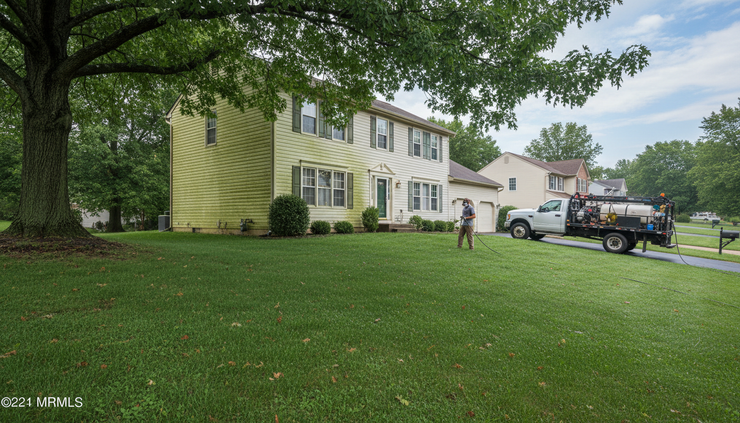
Why hiring a professional can be safer and more effective
Professional residential power washing is not just about owning stronger equipment. It is about knowing when not to use full pressure.
A professional exterior cleaning company will look at:
Siding material and age
Paint condition
Oxidation
Open seams or loose panels
Nearby plants and fixtures
Water access and drainage
Type of staining present
Golden Touch Cleaning Solutions approaches each home with the surface in mind. That means vinyl, brick, stucco, and painted areas do not all get treated the same way. The goal is clean siding without unnecessary force.
Hiring a professional can help homeowners avoid damage, save time, and get a more even result. It can also reduce the risk of ladder use, runoff problems, or accidental water intrusion.
FAQ about pressure washing and soft washing
Is soft washing safe for vinyl siding?
Yes, soft washing is generally one of the safest methods for vinyl siding when done correctly. It uses low pressure and the right cleaning solution to remove algae, mildew, pollen, and dirt without forcing water behind the panels.
Can pressure washing damage house siding?
Yes. High pressure can damage vinyl, stucco, painted surfaces, older wood, and weak trim. It can also push water behind siding or around windows. Pressure washing house siding should be done with the right pressure, nozzle, and distance, and in many cases soft washing is the better choice.
Will soft washing remove mold, mildew, and algae?
Soft washing is designed for organic buildup like mold, mildew, and algae. The cleaning solution helps break down the growth before a gentle rinse removes it from the surface.
How long does a house wash last?
Many homes stay cleaner for 1 to 2 years, but shade, trees, humidity, and weather exposure can shorten that timeline. In parts of Frederick County with heavy tree cover or recurring moisture, buildup may return sooner.
Is pressure washing better for brick than soft washing?
Brick can often tolerate more pressure than siding, but pressure is not always the best first step. If the brick has algae, mildew, or older mortar, a professional may use a cleaning solution and controlled rinsing rather than force alone.
How often should you wash house siding in Frederick, MD?
There is no single schedule for every home. Many homeowners have their siding cleaned every 1 to 2 years, but homes with more shade, trees, moisture, pollen, algae, or mildew may need cleaning sooner. An annual exterior inspection can help Frederick homeowners determine when house washing is needed.

Get the right cleaning method for your home
The best method is not the most powerful one. It is the one that cleans the surface safely. For most siding, soft washing offers the right balance of cleaning power and protection. Pressure washing still has an important role for concrete, pavers, and some masonry, but it should be used with care around the home’s exterior.
Need Professional House Washing in Frederick, MD?
Not sure whether pressure washing or soft washing is right for your home? Golden Touch Cleaning Solutions provides professional exterior cleaning services for homeowners in Frederick, MD and throughout Frederick County. We evaluate the surface and buildup to determine the appropriate cleaning approach for your property.
Whether you need help cleaning siding, a driveway, patio, walkway, or other exterior surfaces, our team can help restore a cleaner, well-maintained appearance to your property.
Learn more about professional power washing services from Golden Touch Cleaning Solutions for careful, reliable exterior cleaning in Frederick, MD.


Comments